Introduction
The careers in oil and gas industry offers opportunities across far more than drilling rigs and oil fields. Professionals are needed to discover and evaluate resources, design wells, operate producing assets, transport hydrocarbons, process crude oil and natural gas, manage projects, analyze markets, and oversee the financial and commercial side of energy businesses. That range makes careers in oil and gas a particularly broad field. Someone with a petroleum engineering degree may build a career in drilling or reservoir engineering, while another professional may enter the industry through accounting, supply chain, information technology, environmental science, or field operations.
The size of the industry also reflects this diversity. U.S. Bureau of Labor Statistics data covering five major oil and gas related industries counted 672,010 jobs in May 2024, including employment in oil and gas extraction, support activities for mining, pipeline transportation, natural gas distribution, and petroleum and coal products manufacturing.
Types of Careers in Oil and Gas Industry?
The careers in Oil and gas generally follow the industry’s value chain. Some professionals work near the beginning of the process, such as geologists and exploration specialists, while others work on drilling, production, transportation, refining, commercial activities, or corporate management. Whether you’re interested in geology, engineering, fieldwork, finance, or technology, there’s a role here for you. The following career in oil and gas industry areas represent some of the major paths available across the industry.

Exploration & Geoscience Jobs
Exploration and geoscience professionals help companies find where oil and gas might be hiding underground. For example, a petroleum geologist studies rock layers and formations to spot possible reserves. Geophysicists use tools like seismic waves to get a picture of what’s below the surface. Geoscientists analyze geological data to support exploration and development. Petro physicists look at the properties of rocks and fluids to determine if a well is worth drilling. Geological technicians support the team by collecting samples and assisting with data analysis.
Drilling & Well Operations Jobs
Drilling teams are the backbone of oilfield operations. Drilling engineers design the drilling process. Drillers operate the drilling rig. Derrick operators handle the heavy lifting and equipment up above the rig floor. Roustabouts and floor hands do essential labor, keeping the site clean and running smoothly. Wellsite supervisors oversee the crew. Completion engineers and well intervention specialists make sure wells are finished and maintained safely.
Here’s a look at how common some of these jobs are in the U.S., according to the Bureau of Labor Statistics (BLS) in May 2024:
- 35,070 roustabouts in support activities for mining
- 29,160 service unit operators
- 9,860 rotary drill operators
- 8,320 derrick operators
These numbers show just how vital drilling and field-service roles are to the industry.
Production Jobs
Once oil and gas start flowing, production teams keep everything running. Production engineers design systems to extract oil and gas efficiently. Production operators and well operators run daily operations. Wellhead pumpers manage pumps at the well site. Field operators and artificial lift specialists handle equipment that helps get oil to the surface. Production supervisors make sure teams hit their targets safely. The BLS reported 11,480 wellhead pumpers working in oil and gas extraction in May 2024.
Engineering Jobs in Oil & Gas
Many engineering disciplines are at work in oil and gas. Petroleum engineers focus on drilling, reservoir management, and production. Drilling, completion, and production engineers each specialize in different parts of the process. Reservoir engineers figure out how much oil or gas is in a field and the best way to get it out. Mechanical, chemical, electrical, civil, instrumentation, industrial, and process engineers all contribute expertise in their specialties. In May 2024, BLS counted 5,830 petroleum engineers, 2,240 geoscientists, and 1,590 industrial engineers in oil and gas extraction.
Maintenance & Technical Jobs
Equipment needs to keep running, often in tough environments. Mechanical, electrical, and instrumentation technicians maintain and repair essential systems. Maintenance technicians and control systems specialists keep everything working smoothly. Equipment technicians and industrial machinery mechanics handle everything from fixing engines to troubleshooting sensors. The BLS found 4,460 industrial machinery mechanics in oil and gas extraction in May 2024.
Pipeline & Midstream Jobs
Midstream jobs are about moving oil and gas from where it’s found to where it’s processed. Pipeline engineers design the systems. Pipeline technicians and operators keep pipelines flowing safely. Gas plant and terminal operators manage facilities where oil and gas are processed or stored. Measurement technicians ensure accurate tracking. Pipeline integrity specialists and logistics experts help prevent leaks and keep everything on schedule.
Refining & Processing Jobs
This part of the industry turns raw oil and gas into usable products. Refinery operators and process operators run the plants. Process and chemical engineers design safe, efficient systems. Control systems specialists and maintenance technicians fix problems fast. Plant managers oversee everything. In May 2024, the BLS counted 20,420 petroleum pump system operators, refinery operators, and gaugers in petroleum and coal products manufacturing.
HSE & Environmental Jobs
Health, safety, and environmental (HSE) jobs keep people and the planet safe. HSE and safety specialists focus on training and workplace safety. Safety engineers and HSE managers design systems to prevent accidents. Environmental scientists and engineers look for ways to reduce the industry’s impact. Regulatory and compliance specialists make sure rules and laws are followed. These jobs matter because oil and gas work involves heavy equipment, hazardous materials, and strict regulations.
Finance & Accounting Jobs
Finance and accounting keep the business side running. Financial analysts look at costs and profits. Energy investment analysts track trends and opportunities. Accountants and controllers handle money management. Treasury, corporate finance, and investor relations keep companies financially healthy and connected to investors. BLS reported 4,640 accountants and auditors among the largest careers in oil and gas, extraction in May 2024.
Commercial & Business Development Jobs
Business development managers, commercial managers, and petroleum economists spot new deals and markets. Energy traders buy and sell oil or gas. Landmen handle property rights and contracts. M&A professionals, corporate development, contracts managers, and sales or marketing experts all play a part in growing the business.
Supply Chain & Logistics Jobs
Supply chain and logistics teams make sure everything companies need is delivered on time. Procurement specialists buy equipment and parts. Supply chain analysts and managers plan the flow of goods. Logistics coordinators and transportation managers keep things moving. Materials managers and warehouse/inventory specialists track what comes in and out.
Project & Construction Jobs
These roles support big builds, think new drilling sites, pipelines, or refineries. Project managers lead teams to deliver large projects on time and budget. Project engineers, construction managers, project controls specialists, cost engineers, schedulers, and contract managers work together to turn blueprints into reality.
Technology & Data Jobs
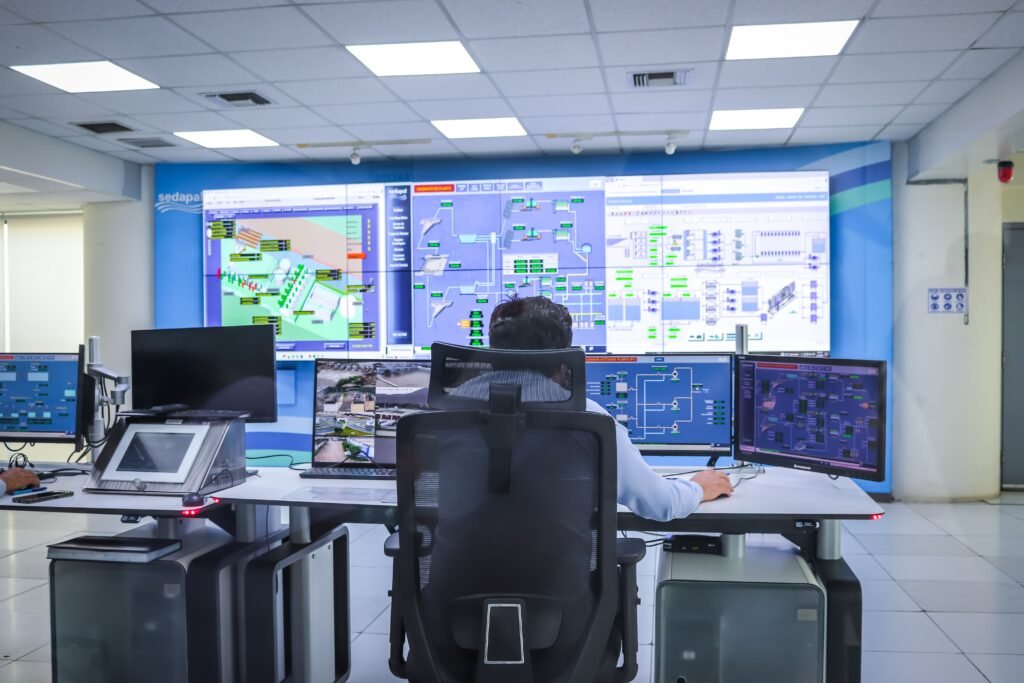
Technology is transforming and creating new careers in oil and gas industry. Data analysts and scientists crunch numbers to find patterns and improve operations. Software developers build tools for the field. Automation engineers bring robotics and remote monitoring to life. Digital transformation specialists and IT managers support smarter, safer operations. Cybersecurity specialists protect sensitive data. By May 2024, oil and gas extraction employed 630 software developers and 530 computer and information systems managers.
Management & Executive Jobs
Management roles oversee people, projects, assets, and sometimes entire companies. Operations and asset managers keep the business running smoothly. General managers, engineering managers, directors, vice presidents, COOs, CFOs, and CEOs set strategy and make big decisions. The BLS reported 6,740 general and operations managers in oil and gas extraction in May 2024.
What Are the Different Work Environments in Oil & Gas?
One of the biggest differences between careers in oil and gas industry is where the work takes place.
1.Field-based careers: This may involve drilling sites, production facilities, offshore platforms, pipelines, terminals, or other operational locations. These roles can involve shift work, travel, and rotational schedules.
2. Office-based careers: These are more likely to involve financial analysis, commercial strategy, accounting, legal work, data analysis, planning, or corporate management.
3.Field-and-office careers: This combine both environments. Engineers, project managers, HSE professionals, geoscientists, and operations managers may spend part of their time analyzing information or planning work in an office and part of their time visiting operational sites.
Understanding your preferred work environment can be just as important as choosing a specific job title.
What Skills Do You Need for a Career in Oil & Gas?
The skills required depend heavily on the selected careers in oil and gas industry.
1. Technical careers may require engineering principles, geology, mechanical systems, process knowledge, instrumentation, or specialized operational skills. Field roles may place greater emphasis on equipment operation, safety awareness, troubleshooting, and practical experience.
2. Business careers may require financial analysis, accounting, negotiation, market research, commercial judgment, communication, or project management.
3. Across nearly all areas, however, employers value communication, teamwork, problem-solving, safety awareness, adaptability, and the ability to work with people from different disciplines.
How Do You Choose the Right Oil & Gas Career Path?
Start by considering what type of work you actually want to do rather than choosing a job title based only on salary or industry reputation.
Ask yourself:
- Do you prefer fieldwork, office work, or a combination?
- Do you enjoy technical problem-solving or business analysis?
- Are you interested in science and engineering?
- Would you prefer hands-on equipment and operations?
- Are travel, shift work, or rotational schedules acceptable?
- Do you want to work close to production or on the corporate side?
- Would you rather become a technical specialist or eventually move into management?
The answers can narrow the industry from hundreds of possible positions to a smaller group of relevant career paths.
Conclusion
A career in the oil and gas industry can open doors to diverse opportunities in engineering, drilling, operations, geology, technology, finance, safety, and management. As the energy sector continues to change, professionals who combine strong technical skills with adaptability and a willingness to keep learning can build rewarding careers.