Overview
Digital transformation is reshaping how businesses across the energy industry operate, make decisions, and prepare for the future. In oil and gas, where operations often involve complex assets, large amounts of data, significant capital investment, and changing market conditions, the potential impact is particularly significant. But digital transformation is about more than introducing new software or adopting the latest technology.
At its core, digital transformation in oil and gas is about using technology, data, and better processes to solve real business challenges. The most successful approach combines digital tools with experienced people, clear business objectives, and a willingness to rethink how work gets done. For industry leaders, the question is no longer simply which technologies are available. The more important question is how those technologies can create meaningful and lasting value.
What Is Digital Transformation in Oil and Gas?
Digital transformation in oil and gas refers to the integration of digital technologies into business and operational processes to improve performance, decision-making, efficiency, and resilience. This can include technologies such as:
- Artificial intelligence and machine learning
- Connected sensors and Internet of things technology
- Automation and robotics
- Predictive analytics
- Digital twins
- Cloud computing
- Integrated data platforms
However, technology alone does not create transformation. A company can invest heavily in digital systems and still see limited results if its processes remain disconnected or employees are not prepared to use the new tools effectively. Successful digital transformation requires alignment between technology, people, processes, and business strategy.
How Digital Transformation Is Changing Traditional Energy Operations
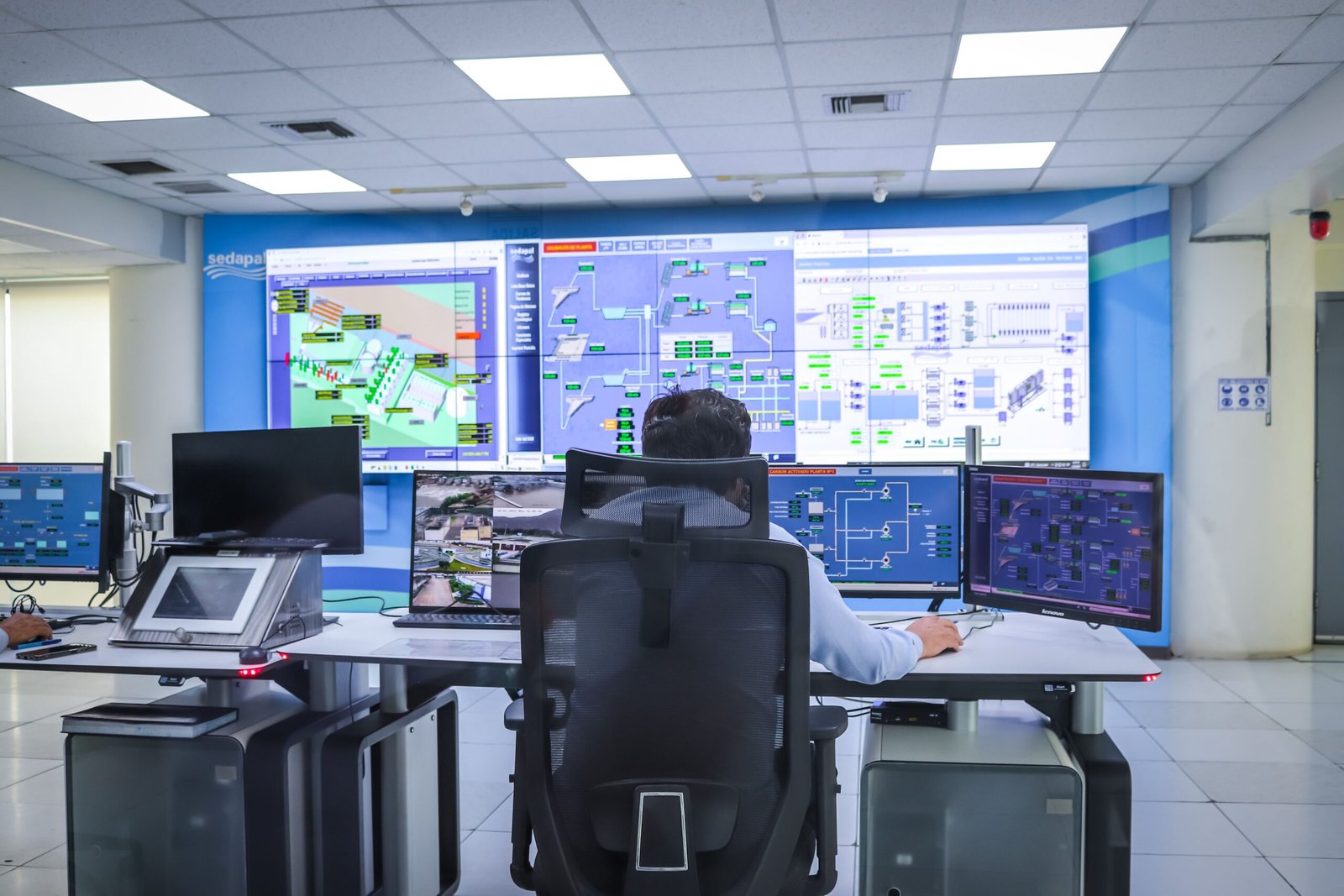
Traditional oil and gas operations have long relied on technical expertise, field experience, and established processes. Those capabilities remain essential. Digital tools are now adding another layer to the decision-making process. Real-time data, remote monitoring, automation, and advanced analytics can give teams greater visibility into operations and help identify patterns that may not be immediately obvious. The goal is not to replace industry experience. It is to combine experience with better information and more effective tools.
Why Is Digital Transformation Important for Oil and Gas Companies?
For oil and gas industry leaders, the question is no longer simply which technologies are available. The more important question is how those technologies can create meaningful and lasting value. Following are important considerations.

1. Improve Operational Efficiency and Performance
Oil and gas operations often involve complex processes across multiple locations. Digital systems can help companies better understand how equipment, assets, and teams are performing.
For example:
The connected systems can provide information about operating conditions and performance in real time. This can help teams identify inefficiencies, investigate potential issues, and improve planning. The result can be better use of resources and more informed operational decisions.
2. Make Smarter Data-Driven Decisions
The energy industry generates enormous amounts of information. The challenge is turning that information into useful insight. Digital transformation in oil and gas can bring data from different systems together and make it easier for decision-makers to understand what is happening across an organization. This can support decisions involving:
- Production performance
- Asset management
- Project planning
- Capital allocation
- Maintenance priorities
- Operational risks
Experience and judgment remain critical, but reliable data can provide leaders with a stronger foundation for decision-making.
3. Strengthen Predictive Maintenance and Asset Reliability
Unexpected equipment failures can create operational disruptions and additional costs. Predictive maintenance uses data to identify potential signs of equipment issues before they become more serious. Sensors may monitor factors such as pressure, temperature, or vibration, while analytics can help identify unusual patterns. This can support a more proactive approach to maintenance and asset management. Instead of relying only on fixed inspection schedules, teams can use available information to better understand the condition of critical equipment.
4. Improve Safety and Reduce Operational Risks
Safety is one of the most important considerations in oil and gas operations. Digital technologies can provide additional tools for monitoring conditions, identifying potential risks, and improving communication. Remote monitoring, automated alerts, and connected equipment can help teams respond more quickly to changing conditions. In some cases, technology can also reduce the need for people to work directly in higher-risk environments. Technology does not replace a strong safety culture. However, it can support better awareness and more informed risk management.
5. Gain Better Visibility Across Complex Operations
Many energy businesses operate across multiple assets, facilities, locations, and teams. When information is spread across disconnected systems, gaining a complete view of operations can be difficult. Integrated digital platforms can help bring important information together, giving leaders and operational teams greater visibility. Better visibility can improve communication, reduce delays in reporting, and help organizations identify where attention is needed.
6. Create More Efficient Resource Management
With adapting digital transformation in oil and gas such as using Digital tools can also improve how companies manage equipment, materials, time, and other resources. Analytics can help identify inefficiencies and support better planning. Automation can reduce repetitive work and allow employees to focus more time on activities that require expertise and judgment. For a capital intensive industry, even small improvements in efficiency can become meaningful when applied across multiple operations.
7. Build a More Resilient and Future-Ready Energy Business
Digital transformation in oil and gas companies can help companies become more adaptable. Oil and gas businesses operate in an environment affected by changing market conditions, technology, regulations, and global energy demand. Companies with stronger digital capabilities may be better positioned to understand changing conditions and respond more effectively. The value of transformation is therefore not limited to improving today’s operations. It can also help prepare organizations for tomorrow’s challenges.
5 Major Challenges of Digital Transformation in Oil and Gas
As much as much as it is important to adapt to new technology and trends in the industry it is equally important to be aware of risks and challenges involved. Let’s take a look at 5major challenges faced in digital adaption.
1. Legacy Systems and Outdated Infrastructure
Many established companies rely on systems that were introduced years ago. Replacing or integrating legacy technology can be expensive and complex. Attempting to transform everything at once can also create unnecessary disruption. A more practical approach is often to identify high-value areas for improvement and modernize systems strategically over time.
2. Poor Data Quality and Disconnected Systems
Advanced technologies are only as useful as the information they rely on. Incomplete, inconsistent, or outdated data can limit the effectiveness of analytics and automated systems. Before investing heavily in advanced technology, companies should understand whether their data is accurate, accessible, and properly managed.
3. Growing Cybersecurity Risks
Greater connectivity creates additional cybersecurity considerations. As more operational systems and devices become connected, organizations must consider how those systems are protected. Cybersecurity should be part of digital transformation planning from the beginning rather than an issue addressed after implementation.
4. Workforce Skills and Technology Adoption Challenges
People are central to successful transformation. Employees may need training to use new systems, understand data, and adapt to changing processes. Business Leaders also need to explain why changes are being made. Technology adoption becomes more difficult when employees do not understand how a new tool will improve their work.
5. Investing in Technology Without a Clear Strategy
One of the biggest risks is adopting technology simply because it is new. Artificial intelligence, automation, and advanced analytics can offer significant benefits, but only when they address a meaningful business need. Before making an investment, leaders should ask what problem the technology is expected to solve and how success will be measured.
4 Strategies for Successful Digital Transformation
It is crucial to manage the challenges in a high capital intensive niche such as oil and gas. With direct participation in oil wells and natural gas resources, the stakes are higher. Hence, smart approach and practical strategies can help navigate these unpredictable situations efficiently. Following are 4 top practical tips.
1. Start With High-Value Business Problems
The best digital initiatives begin with a clear problem. Companies should identify where technology could improve efficiency, strengthen decision-making, reduce operational risks, or solve a persistent challenge. Starting with a focused objective can create clearer results than attempting a large-scale transformation without defined priorities.
2. Put People at the Center of Digital Change
Employees should be involved in the transformation process. Their experience can reveal operational challenges that may not be visible during planning. Their feedback can also help determine whether a new system actually improves the way work is performed. Digital transformation should support people rather than treat them as an afterthought.
3. Prioritize the Technologies That Create Real Value
Not every new technology will be right for every business. Leaders should prioritize investments based on practical value rather than trends. The key questions are simple: Will this improve the business? Can it be implemented effectively? Will employees use it?
4. Measure Results and Scale What Works
Digital transformation in oil and gas should help in producing measurable outcomes. Depending on the initiative, businesses may track improvements in efficiency, downtime, maintenance, costs, safety indicators, or employee adoption. Measuring results helps leaders determine which initiatives deserve further investment.
What Technologies Are Driving Digital Transformation in Oil and Gas?
5 technologies are evolving and improving systems and procedures for all industries including energy sector. Let’s see some most important of those.
Artificial Intelligence and Machine Learning: AI and machine learning can help organizations analyze large volumes of information and identify patterns that may support better decision-making.
Internet of Things and Connected Equipment: Connected sensors can provide ongoing information about equipment and operating conditions, helping teams monitor assets more effectively.
Automation and Robotics: Automation can support repetitive processes, while robotics and remote technologies may assist with specific operational tasks.
Predictive Analytics and Digital Twins: Predictive analytics can help organizations identify potential trends or issues. Digital twins can create digital representations of physical assets to support monitoring and analysis.
Cloud Computing and Integrated Data Platforms: Cloud-based systems and integrated data platforms can help organizations improve access to information and reduce the challenges created by disconnected systems.

What Is the Future of Digital Transformation in Oil and Gas?
The companies most likely to benefit will not necessarily be those that adopt the most technology. They will be the ones that understand their business challenges, select the right tools, prepare their people, and measure whether technology is creating real value.
- From Digital Tools to Connected Operations: A greater integration between technologies rather than individual digital tools working independently. Data, automation, AI, and connected equipment can work together to create a more connected operating environment.
- The Growing Role of AI and Automation: AI and automation will likely continue to support decision-making and operational efficiency. However, human expertise will remain essential. The strongest results will come from combining technology with experienced professionals who understand how to interpret information and make responsible decisions.
- Why Adaptability Will Define Future Energy Leaders: Technology will continue to evolve, and future leaders will need to remain adaptable. The ability to understand new technologies, evaluate their potential, and lead people through change may become just as important as traditional management skills.
Conclusion: A Competitive Edge
Digital transformation in oil and gas is not simply a technology initiative. It is a strategic and leadership challenge. The energy industry has always required adaptation. Digital transformation represents another important stage in that evolution. By combining deep industry knowledge with better data, connected systems, and smarter technology, oil and gas organizations can build more efficient, resilient, and future-ready operations.