Introduction:
Investing in oil and gas isn’t just about chasing big returns. It’s also about protecting your money from risks that can surprise even experienced investors. Business risk management is all about spotting, understanding, and handling those risks before they become real problems. In this guide, you’ll learn clear strategies for managing risk in oil and gas investments, so you can make smarter choices and feel confident about your next move.
What is Business Risk Management in Oil and Gas?
Business risk management means finding and addressing anything that could harm your investment goals. In the oil and gas industry, risks come in many forms. Oil Prices can swing, regulations can change, problems in drilling phase, condition of oil well and even the weather can affect operations. Good risk management helps you prepare for the unexpected. It’s about building a plan, not just hoping for the best.
For example, let’s say you invest in a drilling project in Texas. A sudden change in state law or an unexpected hurricane could shift your returns overnight. If you’ve planned ahead, you’ll have steps in place to limit losses and recover quickly. That’s what separates careful investors from those who leave things up to chance.
Why Oil and Gas Investments Have a Unique Risk Profile
If you’re used to more traditional investments, energy might seem like a whole new ballgame. Oil and gas projects face a mix of risks you rarely see elsewhere. For starters, commodity prices like oil and natural gas can swing wildly, sometimes changing the outlook for an entire project overnight. Unlike stocks or bonds, these investments also involve long timelines and heavy upfront costs. Plus, there’s a tangled web of regulations that can shift with every election cycle.
Another thing to keep in mind is that oil and gas reserves are finite and their quality can vary. Sometimes a well produces much less than expected. Other times, equipment failures or unexpected geological issues can halt progress. These variables mean that even the most promising projects can run into trouble.
So, why does all this matter for business risk management? Because understanding these unique risks is the first step to making smarter, more resilient investment decisions in the energy world.
Identifying Common Risks in Oil and Gas Investments
Following are 5 main risks to consider before investing in oil and gas industry.
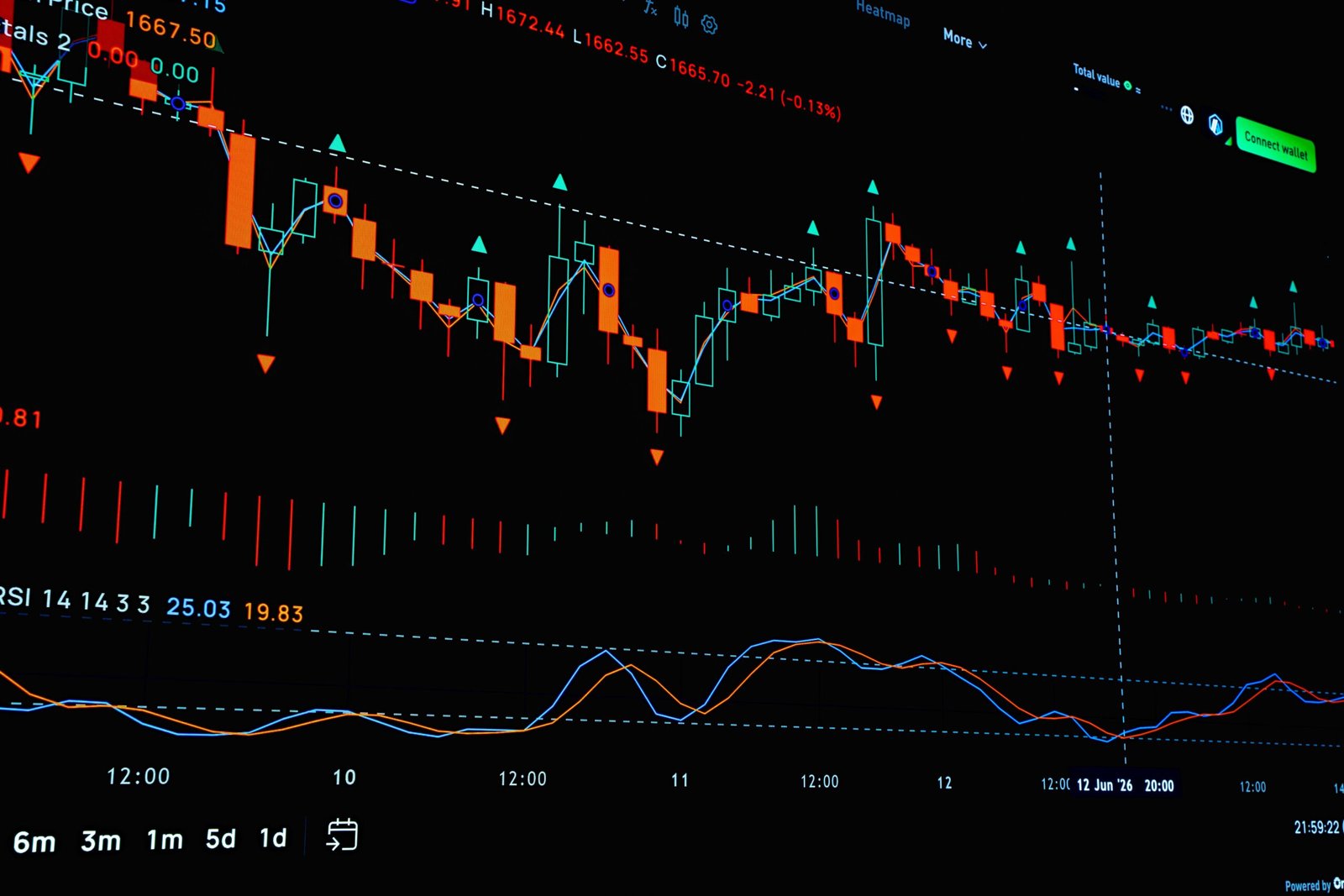
The Role of Commodity Price Volatility
Lets understand about price swings. Oil and gas prices can move up or down based on global supply and demand, political events, or even new technologies changing how energy is produced or used. One year, prices might spike because of a conflict overseas. The next, a new energy source could send them tumbling.
These ups and downs directly affect your potential returns. That’s why business risk management in oil and gas often starts with strategies to handle price risk, like:
- Using hedging contracts to lock in prices for future production. For example, a company might agree in advance to sell oil at a fixed price, providing certainty even if the market drops.
- Diversifying investments across different energy projects or regions. If oil prices fall in one area, investments in natural gas or renewables elsewhere can help offset the impact.
- Regularly reviewing market forecasts and adjusting strategies as needed. Keeping an eye on industry trends allows investors to respond quickly if conditions change.
Managing price risk isn’t about predicting the future perfectly. It’s about building flexibility into your investment approach so surprises don’t wipe you out. Some investors also keep a portion of their capital in cash, ready to take advantage of good opportunities when markets dip.
Long Project Timelines and Their Risks
Oil and gas investments are not “set it and forget it” deals. Many projects take years from initial planning to first production. Some wells might not start generating cash until five or even ten years down the road. During that time, a lot can change, market conditions, technology, or even the rules governing energy production.

This long timeline means that investors must stay engaged throughout the project’s life. Delays are common, whether from weather, technical problems, or supply chain disruptions. For instance, a pipeline project might be delayed for months due to permitting issues, or drilling equipment could be stuck overseas.
Here’s where business risk management looks different than in other industries. Investors must:
- Carefully review project plans and timelines before committing capital. Ask questions about what could go wrong and how the team plans to handle setbacks.
- Monitor progress regularly through clear communication with project managers. Monthly or quarterly updates help catch issues early.
- Stay alert for red flags like construction delays or cost overruns. If you spot a trend, don’t ignore it, act quickly to understand the cause.
By keeping a close eye on milestones and staying involved, you’ll spot problems early and have more time to react. Some investors use milestone-based funding, only releasing more money as the project hits key goals. This can encourage operators to stay on track.
Regulatory and Environmental Exposure
Energy projects operate under a microscope. Governments set rules about where and how drilling can happen. These rules can change quickly, especially as public concern about climate change grows. Investors face the risk that new regulations could make a project more expensive, reduce profits, or even halt work entirely.
For example, a state might introduce stricter rules on water usage or require new safety equipment. Even if your project is already underway, these changes can add costs or slow down progress. In some cases, public opposition to drilling can lead to lawsuits or local bans. To manage these risks, business risk management strategies focus on:
- Investing in companies with a strong track record of regulatory compliance. Look for operators who have navigated complex rules successfully in the past.
- Partnering with teams that prioritize sustainable practices, like reducing emissions or using cleaner technologies. Companies that go beyond basic compliance are often better prepared for future regulations.
- Staying informed about upcoming policy changes and engaging with local communities. Building positive relationships can help prevent misunderstandings and keep projects moving.
A proactive approach to regulatory risk can help protect investments from sudden policy shifts. Some investors also hire legal advisors who specialize in energy laws, providing extra guidance as the rules evolve.
Capital Intensity: Managing Big Upfront Costs
Oil and gas projects often require big checks before the first drop of oil comes out of the ground. This capital intensity means you’re tying up significant funds, and taking on the risk that the project might not pay off as expected. In case you’re investing in a new drilling project. The initial costs might cover land leases, permits, equipment, and labor. If something goes wrong, like equipment failure or disappointing well results, you could lose a large chunk of your investment.
Smart business risk management in this area includes:
- Spreading investments across multiple projects or operators to avoid “putting all your eggs in one basket.” You might invest smaller amounts in several wells rather than a single, large project.
- Carefully analyzing project budgets and making sure cost estimates are realistic. Scrutinize the numbers and question any assumptions that seem overly optimistic.
- Working with partners who have a track record of delivering projects on time and within budget. Past performance can be a strong indicator of future reliability.
This approach helps ensure that even if one project runs into trouble, it won’t sink your entire investment portfolio. Some investors also require projects to have insurance or reserve funds to cover unexpected problems.
The Human Factor: Expertise and Communication
It’s easy to focus on numbers, but people make or break investments. Oil and gas is a highly technical field, so having experienced teams, both in the field and managing your investment, is vital. For example, a drilling team with decades of experience is more likely to solve problems quickly and safely. On the investment side, clear communication helps you understand what’s happening with your money and avoid unpleasant surprises.
Effective business risk management often comes down to:
- Choosing partners with proven expertise and a commitment to transparency. Ask about their past projects, credentials, and how they handle setbacks.
- Setting up regular updates so you always know how your investment is performing. This might include written reports, calls, or in-person meetings.
- Making sure everyone involved shares your goals and values, especially around sustainability. If environmental responsibility is important to you, choose partners who put it into practice.
Political risks
- Changes in government, trade policies, or international relations can affect business in certain regions. For instance, a shift in trade agreements might make it harder to export oil from a specific country.
- Successful business risk management starts by understanding which of these risks matter most for your specific investment. Every project is different, so it’s worth taking time to map out where your exposure lies.
Due Diligence
It is always important to run your own due diligence before investing in any project be it direct investment or investment in energy stocks. Following are some main considerations to check:
5 Things To Review Before Investing
Ever wondered why some investors seem to know when to avoid a risky deal? It usually comes down to due diligence. This is a careful review of every part of an investment opportunity. Here’s what good due diligence looks like:
- Reviewing operator track records. Have they delivered results in the past? Look for a history of successful projects and transparent reporting.
- Checking legal and regulatory compliance. Are all permits and licenses in order? Missing paperwork can stall or shut down a project before it ever gets off the ground.
- Analyzing financial projections. Are the numbers realistic, or overly optimistic? Compare estimates to industry averages and check for hidden costs.
- Assessing environmental and social impact. Are there plans in place for safety and sustainability? A project with no plan for community relations or spill response is a red flag.
By doing your homework before you invest, you lower the chances of unpleasant surprises down the road. Many seasoned investors keep a checklist or work with experts to make sure every box is ticked.