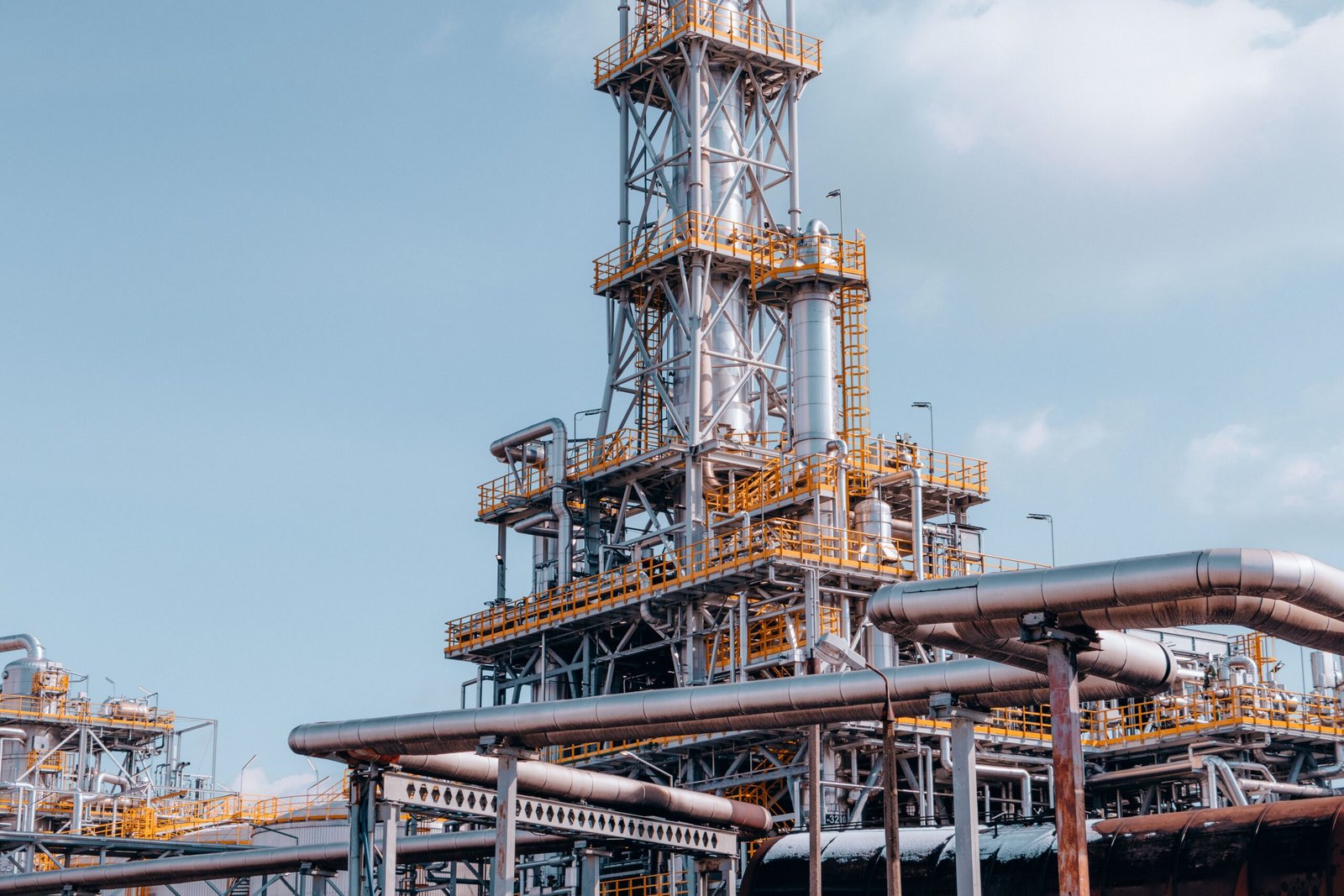
Oil and gas safety supply is an important part of responsible energy investment. It covers the processes, equipment, suppliers, and logistics required to maintain safe operations across the sector. For investors, understanding how supply chain practices affect safety, operational continuity, regulatory compliance, and risk management can provide useful insight into a company’s overall operations. This guide examines the role of safety supply chains, key strategies for strengthening them, and factors investors can consider when evaluating companies in the sector.
The Importance of Oil and Gas Safety Supply in Energy Investment
Oil and gas safety supply extends beyond personal protective equipment and safety signage. It includes sourcing protective equipment, securing transportation, maintaining supplier standards, and establishing appropriate vetting processes. For investors, an effective safety supply chain can support operational continuity, reduce exposure to liability, and help companies meet regulatory requirements.
Safety-related supply chain failures can contribute to production delays, environmental incidents, and reputational risks. Companies can reduce these risks by maintaining clear safety standards throughout their supply networks. When evaluating an investment, investors can review safety disclosures, certifications, supplier requirements, and third-party audit results to understand how safety is incorporated into supply chain management.

Building a Resilient Oil and Gas Safety Supply Chain
A resilient safety supply chain requires consistent supplier oversight, inventory planning, logistics coordination, and workforce training. Key areas include:
1. Supplier Qualification and Auditing
Companies can use structured qualification processes to assess suppliers before establishing working relationships. These checks may include safety records, compliance certifications, quality standards, and documented emergency response procedures.
Regular audits help determine whether suppliers continue to meet established requirements. Depending on the operation, companies may also conduct on-site inspections, surprise assessments, or peer reviews. Some organizations maintain preferred supplier lists and require suppliers to participate in ongoing safety training and improvement programs.
2. Inventory and Logistics Management
Oil and gas operations frequently take place in remote or challenging environments, including offshore platforms and desert drilling sites. Maintaining reliable access to safety equipment therefore requires effective inventory and logistics management.
Inventory systems can track usage and anticipate demand changes, while logistics planning helps ensure equipment reaches the required location on time. Digital tools can provide visibility into stock levels, shipments, and expiry dates for safety-critical equipment such as gas detectors and fire extinguishers.
For offshore operations, for example, delays in replacing essential safety equipment can affect both operational continuity and worker safety. Some companies use digital tracking systems, drones, or automated vehicles to support supply delivery in difficult-to-access locations.
3. Training and Communication
Safety equipment depends on proper use, making employee and supplier training an important part of supply chain management. Clear communication procedures help workers understand safety requirements and respond appropriately during emergencies.
Companies may conduct joint safety drills with employees and suppliers, covering scenarios such as spills or equipment failures. Digital platforms can also provide training modules on safety equipment, while mobile alerts can communicate procedural updates. Ongoing training helps ensure that workers and supply chain partners remain familiar with current requirements.
Key Strategies for Responsible Supply Chain Management

Responsible supply chain management involves risk mitigation, transparency, collaboration, and continued monitoring. Several strategies can support these objectives.
1. Using Technology for Supply Chain Management
Digital systems can support real-time shipment monitoring, inventory and risk management, as well as equipment tracking. Other technologies, including wearables and IoT sensors, can provide information about worker conditions or the storage environment for safety equipment.
Predictive analytics can also identify changes in equipment demand and potential shortages. These systems can help companies monitor stock levels, track expiry dates, and maintain appropriate storage conditions for safety-critical equipment.
2. Collaborating with Supply Chain Partners
Coordination between operators, suppliers, and contractors can support consistent safety standards across the supply chain. Shared safety procedures, audits, training programs, and industry forums can provide opportunities to identify risks and exchange operational practices.
Some organizations establish safety consortiums to share resources, develop safety technologies, or conduct joint emergency exercises. These arrangements can also provide smaller operators with access to training and safety systems that may otherwise require greater individual investment.
3. Improving Transparency and Reporting
Safety reporting provides investors and regulators with information about how companies manage supply chain risks. Relevant disclosures may include safety performance data, audit results, incident reports, and supplier oversight practices.
Some companies report metrics such as the number of supplier audits completed, incident response times, and employee training completion rates. Reviewing these disclosures can help investors understand how safety standards are monitored and maintained across the supply chain.
Real-World Examples of Supply Chain Safety
Supply chain safety strategies can affect operational continuity, equipment availability, and risk management. Examples include:
- A mid-sized operator implemented digital inventory management to maintain the availability of personal protective equipment across remote sites. The system also reduced over-ordering and associated waste.
- A larger company established a joint task force with suppliers to conduct safety audits and scenario planning. The process identified weaknesses in the supply chain and supported the development of standardized emergency procedures.
- An integrated energy company introduced blockchain tracking for high-value safety equipment. The system provided records that could be used during regulatory audits while improving visibility into equipment movements.
- An operator experienced a supply chain disruption caused by extreme weather. Its relationships with multiple suppliers and emergency stockpiles of safety equipment helped support the continuation of operations and reduced delays.
These examples illustrate how safety supply chain practices can contribute to operational resilience and regulatory preparedness. Technology, supplier coordination, inventory planning, and transparent reporting can each play a role in managing supply chain risks.
Conclusion
Oil and gas safety supply is closely connected to operational continuity, regulatory compliance, and supply chain risk management. Effective supplier qualification, inventory planning, workforce training, technology adoption, and transparent reporting can help companies maintain safety standards across complex operations. For investors, reviewing these practices alongside broader financial and operational information can provide a more complete understanding of how a company manages safety-related risks and prepares for supply chain disruptions.