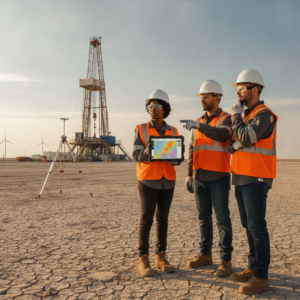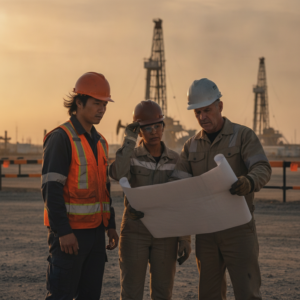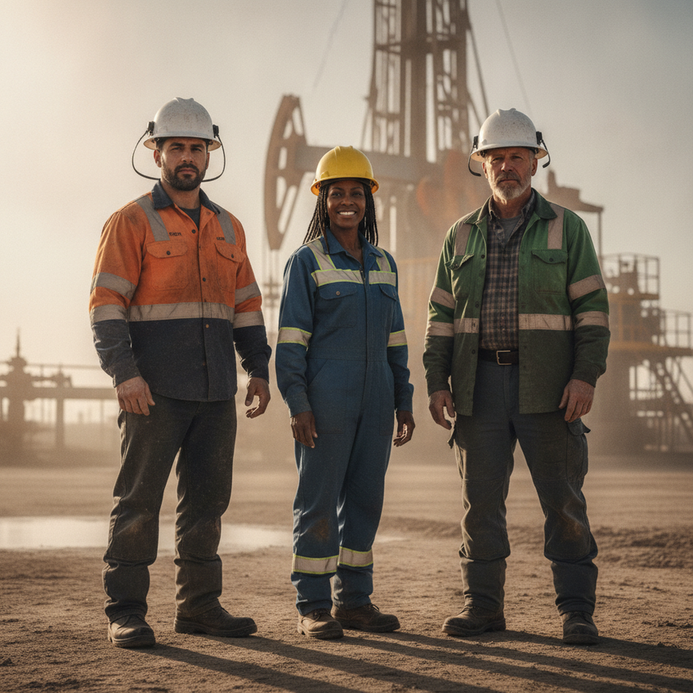
Curious about a career that fuels world economies and offers hands-on, impactful work? Oil and gas drilling jobs are at the heart of the energy sector, powering industries and daily life. In this guide, you’ll learn what these roles involve, discover the range of opportunities available, and see how you can start or advance your journey in this dynamic field.
Introduction to Oil and Gas Drilling Careers
Oil and gas drilling is the starting point for much of the world’s energy supply. Every drop of oil or cubic foot of natural gas starts with skilled professionals who locate, extract, and deliver these resources. Drilling teams play a critical part in exploration and resource extraction, working both onshore and offshore. Whether you’re drawn to the technical challenges or the unique work environments, there’s a broad spectrum of career opportunities in drilling operations.
What Are Oil And Gas Drilling Jobs?
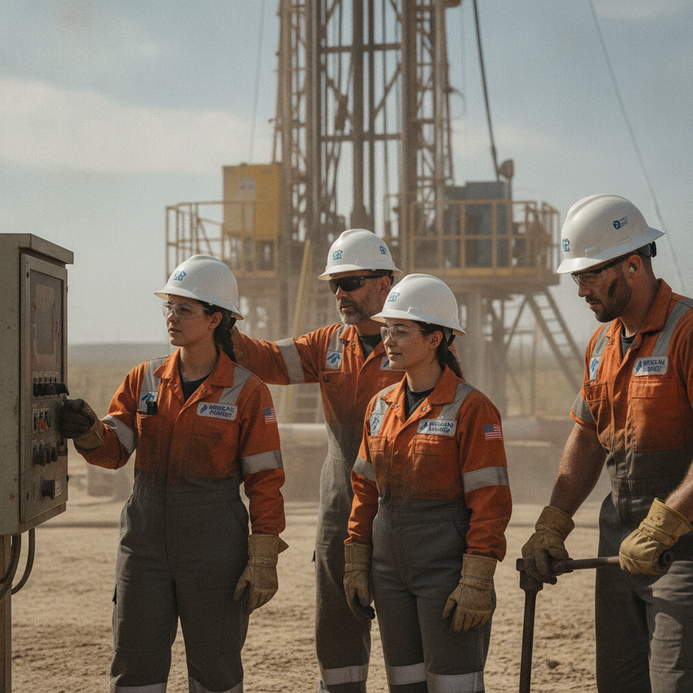
Drilling jobs support the process of creating wells to access underground oil and gas reserves. Drilling operations require teamwork, precision, and a keen focus on safety. Responsibilities range from operating heavy machinery to monitoring pressures and ensuring everything runs smoothly.
There are three main types of drilling operations:
- Onshore drilling, where rigs are set up on land and teams may work in remote deserts or forests.
- Offshore drilling, which involves working on platforms at sea and often requires longer shifts away from home.
- Unconventional drilling, such as horizontal drilling or hydraulic fracturing, which uses advanced techniques to unlock resources in challenging formations.
Each operation relies on a blend of technical, operational, and support roles to keep projects moving safely and efficiently.
Types of Oil And Gas Drilling Jobs
Drilling projects need a variety of professionals, from those just starting out to experienced engineers and supervisors. Let’s break down some common positions.
Entry-Level Drilling Positions
- Roustabout: Handles basic labor tasks on the rig, like cleaning, moving equipment, and assisting other crew members.
- Floorhand or Roughneck: Works directly on the drilling floor, operating machinery and handling drill pipes.
- Leasehand: Supports general rig upkeep and assists more experienced workers.
Technical and Specialized Roles
- Derrickhand: Manages the drilling fluid systems and works on the derrick, often at heights.
- Driller: Operates the main drilling controls, managing daily drilling activities.
- Drilling Fluids Engineer: Monitors and manages the drilling mud, which is essential for well stability.
- Directional Driller: Uses technical tools to steer the drill bit along planned paths, especially in complex wells.
Engineering and Supervisory Positions
- Drilling Engineer: Designs the drilling program and solves technical challenges.
- Toolpusher: Oversees rig operations and supervises drilling crews.
- Drilling Supervisor: Coordinates all drilling activities, ensuring safety and efficiency.
- Rig Manager: Responsible for the entire rig, staff, safety, and equipment.
Support and Safety Roles
- Rig Mechanic and Electrician: Maintains and repairs rig equipment and electrical systems.
- Health, Safety, and Environment (HSE) Officer: Ensures all safety protocols are followed and conducts safety training.
- Logistics and Equipment Coordinator: Manages supplies, transport, and inventory for drilling operations.
Key Responsibilities of Drilling Professionals
Working in drilling means juggling technical tasks and teamwork every day. Typical responsibilities include operating and maintaining drilling equipment, monitoring drilling progress, and inspecting wells for issues. Safety is always front and center, so following procedures and conducting regular checks is non-negotiable. Drilling professionals coordinate with engineers, contractors, and crew members to solve problems fast, keeping everything on schedule and within safety guidelines.
Essential Skills for Drilling Careers
To succeed in oil and gas drilling jobs, you’ll need a mix of technical know-how and people skills.
Technical Skills
Understanding how drilling equipment works, knowing well-control principles, and being able to maintain or troubleshoot machinery are must-haves. Many roles also require familiarity with drilling software and monitoring systems to track well conditions and optimize performance.
Professional Skills
Communication is key in high-stakes environments. Teamwork, situational awareness, and quick problem-solving are daily necessities. You’ll need to adapt to changing conditions and stay focused on safety, even when the pressure is on. Attention to detail can make the difference between a smooth operation and a costly mistake.
Education, Training, and Certifications
The educational path depends on your chosen role. Entry-level positions typically require a high school diploma or equivalent, while engineering and supervisory roles usually call for a college degree in engineering or a related field.
Many drilling professionals start with vocational training or technical school programs focused on oil and gas operations. Industry-recognized certifications, such as well-control credentials, are often required and can boost your hiring prospects. Safety certifications, like H2S awareness or first aid, are also valuable.
Some employers offer apprenticeships or on-the-job training, especially for entry-level roles. Ongoing learning is important, as technology and safety standards in drilling are always evolving.
How to Start a Career in Oil and Gas Drilling
Getting started in oil and gas drilling jobs is a step-by-step process.
- Identify the roles that best fit your education, physical abilities, and interests.
- Research drilling contractors, energy companies, and their reputations.
- Complete relevant training and earn required safety certifications.
- Gain practical experience through entry-level positions or trainee programs.
- Prepare a résumé that highlights technical skills, hands-on experience, and safety awareness.
- Apply through company career pages, recruitment agencies, and well-known industry job boards.
Networking with industry professionals can also give you an edge, as many opportunities are shared by word of mouth.
Salary Expectations and Career Progression
Compensation in drilling varies widely. Factors like experience, location, qualifications, and the type of operation all play a role. Entry-level workers typically earn less but can increase their pay with overtime, night shifts, or offshore assignments. Technical experts and supervisors command higher salaries, especially if they bring advanced certifications or years of experience.
Many drilling professionals start in operational roles and move into specialized or management positions over time. The right mix of experience, training, and a proven safety record can open doors to advanced roles with more responsibility and higher pay.
Working Conditions in Drilling Operations
Drilling work is known for its unique schedules and environments. Many roles involve rotational shifts, such as two weeks on, two weeks off, which can mean extended time away from home but also longer breaks. Onshore jobs might be in remote regions, while offshore jobs place you on rigs at sea, sometimes for weeks at a time.
Physical demands are high, and tasks can be repetitive or strenuous. Safety is always a priority, with strict protocols to manage fatigue and respond to emergencies. Modern drilling operations invest heavily in safety training and equipment, but it’s still important to be prepared for challenging conditions.
Benefits and Challenges of Drilling Careers
Like any career, oil and gas drilling jobs come with their ups and downs.
Potential Benefits
- Opportunity to develop specialized technical skills that are valued across the energy industry.
- Clear pathways for career progression from hands-on roles to engineering or management.
- Experience working with advanced industrial equipment and technology.
- The chance to work in different locations and gain exposure to global energy markets.
Common Challenges
- Physically demanding work and extended shifts, sometimes in harsh environments.
- Exposure to hazards, requiring strict safety adherence.
- Long periods away from family or familiar surroundings, especially in offshore roles.
- Employment can fluctuate with changes in energy prices and drilling demand.
Future Outlook for Oil And Gas Drilling Jobs
The future of drilling is shaped by shifting energy demand, technology, and industry regulations. As global energy needs evolve, so do drilling techniques. Automation, digital monitoring, and new drilling technologies are changing the way teams work. There’s also a growing focus on reducing emissions, improving equipment efficiency, and keeping workers safe.
Drilling professionals who adapt and keep their skills current will continue to find strong opportunities. Many of the abilities developed in drilling, from technical problem-solving to leadership, also transfer well to other roles in energy and industrial operations.
Conclusion
Oil and gas drilling jobs offer a wide range of career opportunities, each with its own requirements and rewards. With the right training, practical experience, and commitment to safety, you can build a successful future in this vital industry. Interested in exploring your path in energy? Contact us to learn more.