Introduction
Oil and gas drilling involves creating wells to access underground hydrocarbon reserves. The industry employs professionals in operational, technical, engineering, and safety roles across onshore and offshore projects. These careers vary in their educational requirements, responsibilities, working conditions, and opportunities for advancement.
What Are Oil and Gas Drilling Jobs?
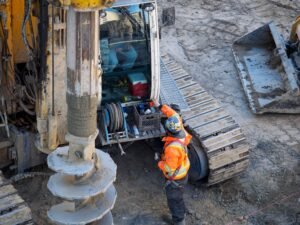
Drilling jobs involve constructing wells to access underground oil and natural gas reserves. Operations require specialized equipment, coordination among crew members, and adherence to safety procedures. Responsibilities range from operating machinery to monitoring drilling conditions.
Drilling activities include:
- Onshore drilling: Operations conducted on land, including remote locations.
- Offshore drilling: Operations conducted from platforms or rigs at sea.
- Unconventional drilling: Techniques such as horizontal drilling and hydraulic fracturing, which help access resources in certain geological formations.
Each operation requires a combination of technical, operational, and support personnel.
Types of Oil and Gas Drilling Jobs
Drilling projects employ workers across entry-level, technical, supervisory, and support positions.
Entry-Level Drilling Positions
- Roustabout: Performs general labor, moves equipment, and assists rig crews.
- Floorhand or Roughneck: Handles drill pipe and supports drilling-floor operations.
- Leasehand: Performs general maintenance and support tasks, where this role exists within the employer’s structure.
Technical and Specialized Roles
- Derrickhand: Works with drilling-fluid systems and equipment associated with the derrick.
- Driller: Operates drilling controls and coordinates routine drilling activities.
- Drilling Fluids Engineer: Monitors drilling-fluid properties and recommends adjustments.
- Directional Driller: Guides the drill bit along a planned well trajectory.
Engineering and Supervisory Positions
- Drilling Engineer: Develops drilling plans and addresses technical challenges.
- Toolpusher: Supervises rig operations and drilling crews.
- Drilling Supervisor: Coordinates drilling activities and monitors operational performance and safety.
- Rig Manager: Oversees rig personnel, equipment, and overall operations.
Support and Safety Roles
- Rig Mechanic and Electrician: Maintain and repair mechanical equipment and electrical systems.
- Health, Safety, and Environment (HSE) Officer: Supports safety compliance, risk management, and training.
- Logistics and Equipment Coordinator: Coordinates supplies, transportation, and inventory.
Key Responsibilities of Drilling Professionals
Responsibilities vary by position but commonly include operating and maintaining equipment, monitoring drilling progress, inspecting machinery, and identifying operational problems. Drilling personnel follow safety procedures, conduct inspections, and coordinate with engineers, contractors, and other crew members to maintain safe and efficient operations.
Essential Skills for Drilling Careers
Drilling professionals need technical knowledge and interpersonal skills suited to their roles.
Technical Skills
Relevant skills include operating drilling equipment, understanding well-control principles, troubleshooting machinery, and interpreting drilling data. Some positions also require familiarity with specialized software and monitoring systems.
Professional Skills
Communication, teamwork, leadership, situational awareness, and problem-solving are important in drilling operations. Workers must adapt to changing conditions, follow procedures, and maintain attention to detail in safety-critical environments.

Education, Training, and Certifications
Requirements depend on the position and employer. Some entry-level oil and gas worker roles do not require formal postsecondary education, although employers may prefer a high school diploma or equivalent. Engineering positions generally require a relevant degree, while supervisory roles may require substantial field experience and role-specific training.
Vocational programs and on-the-job training can provide practical experience. Well-control training and certifications may be required for positions with specific responsibilities. The IADC WellSharp program outlines industry training standards for personnel with well-control responsibilities. Safety training, including hydrogen sulfide (H₂S) awareness and first aid, may also be necessary depending on the worksite.
Apprenticeships and trainee programs are additional entry routes. Continued training helps workers maintain their skills and meet evolving operational and safety requirements.
How to Start a Career in Oil and Gas Drilling
The following steps can help prospective workers prepare for drilling careers:
- Identify roles that match your qualifications, interests, and physical capabilities.
- Research drilling contractors and energy companies.
- Complete the training and certifications required for the target position.
- Seek practical experience through entry-level jobs or trainee programs.
- Prepare a résumé highlighting relevant skills, experience, and safety training.
- Apply through company career pages, recruitment agencies, and industry job boards.
Networking with industry professionals can also help candidates learn about available opportunities.
Salary Expectations and Career Progression
Compensation varies by role, experience, location, qualifications, employer, and operating conditions. The U.S. Bureau of Labor Statistics’ Occupational Outlook Handbook provides information on occupational wages, education requirements, working conditions, and employment projections for oil and gas workers in the United States. Overtime, rotational schedules, and offshore assignments may affect total earnings, depending on the employment arrangement.
Workers may progress from entry-level operational positions to specialized technical, supervisory, or management roles. Advancement typically depends on practical experience, relevant training, demonstrated competence, and a consistent commitment to safety. Accordingly, the compensation varies depending on the quality of performance over time.
Working Conditions in Drilling Operations
Drilling work can involve rotational schedules, extended shifts, remote locations, and time away from home. Offshore workers may remain on rigs for extended periods, while onshore personnel may work in isolated areas or challenging weather conditions.
The work can be physically demanding and may involve noise, heavy equipment, confined spaces, or working at heights. Employers use safety procedures, protective equipment, and training to manage these hazards, although risks cannot be eliminated entirely.
Benefits and Challenges of Drilling Careers
Oil and gas drilling careers offer opportunities alongside practical and operational challenges.
Potential Benefits
- Development of specialized technical and operational skills.
- Opportunities to progress into supervisory or engineering roles.
- Experience with industrial equipment and drilling technologies.
- Exposure to different worksites and operating environments.
Common Challenges
- Physically demanding tasks and extended working hours.
- Occupational hazards requiring strict safety compliance.
- Time away from home, particularly in rotational roles.
- Employment fluctuations linked to energy prices and drilling activity.
Future Outlook for Oil and Gas Drilling Jobs
Drilling employment is influenced by energy demand, commodity prices, technological developments, and industry investment. Automation, digital monitoring, and improved drilling techniques are changing how operations are conducted. Companies are also working to improve efficiency, reduce emissions, and manage workplace risks.
These changes may affect demand for particular skills and occupations. Workers who maintain relevant technical knowledge and adapt to new operating methods may be better prepared for changing industry requirements.
Conclusion
Oil and gas drilling encompasses a range of operational, technical, engineering, and support careers. Entry requirements, responsibilities, compensation, and working conditions vary by position and employer. Relevant training, practical experience, and adherence to safety procedures are important for entering the field and progressing within it. Understanding these factors can help prospective workers assess whether drilling careers align with their qualifications and professional goals.