
Introduction
Sustainable business growth is about more than increasing revenue or expanding into new markets. True long-term growth requires a strong foundation, careful planning, efficient operations, and the ability to adapt to changing conditions. Some businesses experience rapid growth but struggle to maintain it. Others take a more strategic approach, focusing on financial stability, strong customer relationships, innovation, and long-term resilience. The difference often lies in how well a company prepares for growth. In this guide, you’ll learn what sustainable business growth means, why it matters, and the practical strategies businesses can use to build long-term success.
What Is Sustainable Business Growth?
Sustainable business growth is the ability to expand a company in a way that can be maintained over the long term. It involves increasing business performance while maintaining financial stability, operational efficiency, and the resources needed to support continued growth. It is not simply about getting bigger as quickly as possible. Sustainable growth focuses on whether a business has the right systems, people, financial resources, and strategy to support expansion.
Businesses pursuing sustainable business growth often focus on:
- Long-term profitability rather than short-term gains
- Strong customer relationships and retention
- Efficient use of financial and operational resources
- Employee development and retention
- Responsible decision-making
- Innovation that supports long-term goals
- The ability to adapt to changing market conditions
Think of sustainable growth as building a strong foundation before expanding. When a business has the right structure in place, it is better positioned to handle new opportunities and challenges.
Why Is Sustainable Business Growth Important?
Sustainable Growth Helps Businesses Avoid the Risks of Rapid Expansion. Fast growth can create exciting opportunities, but it can also introduce significant challenges. A company that expands too quickly may struggle with cash flow, staffing, supply chains, customer service, or operational quality.
For example:
Opening multiple locations or rapidly increasing production may generate more revenue, but the business must also have the people, systems, and financial resources to support that expansion. Before pursuing growth, businesses should ask:
- Do we have the financial resources to support expansion?
- Can our current team handle increased demand?
- Are our systems and processes scalable?
- Can we maintain product or service quality?
- Do we understand the potential risks involved?
Sustainable business growth encourages companies to answer these questions before expanding rather than reacting to problems after they appear.
Long-Term Growth Builds Business Resilience
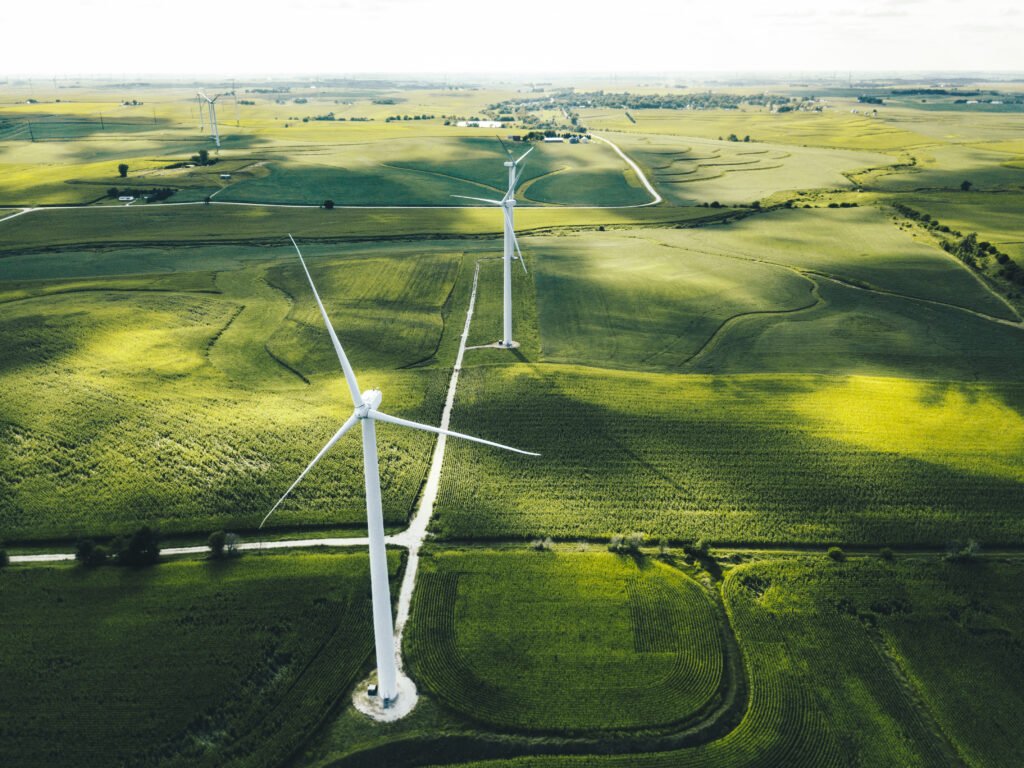
Markets change, customer expectations evolve, and unexpected challenges can disrupt even successful businesses. Companies that focus only on short-term results may find it more difficult to adapt when conditions change. Businesses focused on sustainable growth are often better positioned to respond because they invest in strong systems, financial planning, customer relationships, and operational flexibility.
For example:
A business with strong supplier relationships and multiple sourcing options may be better prepared to manage supply disruptions than one that depends entirely on a single provider.
How to Achieve Sustainable Business Growth?
In order to attain sustainable growth for your business, regardless of which industry you might be operating in there are always guidelines from market and industry expertise to improve efficiency and scale while ensuring strong financial gains. Here are steps to follow.
1. Create a Long-Term Business Growth Strategy
Sustainable business growth starts with a clear strategy. Instead of focusing only on immediate revenue targets, businesses should define where they want to be in the coming years and identify what they need to get there.
A long-term strategy should consider:
- Revenue and profitability goals
- Customer growth and retention
- Operational capacity
- Market opportunities
- Workforce development
- Financial stability
- Potential business risks
Clear goals help businesses make decisions that support long-term success rather than reacting only to short-term opportunities. A useful strategy should also remain flexible. Market conditions can change, and businesses may need to adjust their approach while still maintaining their overall direction.
2. Build a Strong Financial Foundation
Financial stability is one of the most important parts of sustainable growth. Before expanding, businesses should understand their:
- Cash flow
- Operating costs
- Profit margins
- Debt obligations
- Available capital
- Expected return on investment
A business may generate strong sales but still experience problems if expenses grow faster than revenue or if cash flow cannot support expansion. Sustainable business growth requires balancing investment in future opportunities with the financial resources needed to keep the business stable today. This may mean expanding gradually, prioritizing investments with long-term value, and regularly reviewing financial performance.
3. Focus on Customer Retention and Long-Term Relationships
Acquiring new customers is important, but retaining existing customers can be equally valuable for long-term growth. Businesses can strengthen customer relationships by focusing on:
- Consistent product or service quality
- Responsive customer support
- Clear communication
- Customer feedback
- Personalized experiences
- Continuous improvement
Loyal customers can provide repeat business, referrals, and valuable insights into what a company is doing well and where it can improve. A sustainable growth strategy should therefore focus not only on attracting new customers but also on creating enough value to keep existing customers engaged.
Build Efficient and Scalable Business Operations
Growth becomes more difficult when a company’s operations cannot keep up with increasing demand. Businesses should regularly review their processes and identify areas where they can improve efficiency. This may include:
- Automating repetitive tasks
- Improving internal workflows
- Investing in useful technology
- Reducing unnecessary costs
- Improving supply chain management
- Documenting important processes
The goal is not simply to do more work. It is to create systems that allow the business to grow without increasing complexity at the same rate.
For example:
Automating repetitive administrative tasks can allow employees to spend more time on higher-value work. Similarly, well-documented processes can make it easier to train new employees as the company expands. Scalable operations help businesses manage growth while maintaining consistency and quality.
Build Strong Partnerships for Sustainable Business Growth
No business grows entirely alone. Strong relationships with suppliers, investors, industry professionals, and strategic partners can support long-term success. The right partnerships can help businesses:
- Access new markets
- Share knowledge and expertise
- Reduce operational challenges
- Develop new products or services
- Improve supply chain reliability
- Identify new opportunities
Businesses should look for partners whose values and long-term goals align with their own.
For example:
A restaurant that builds strong relationships with local suppliers may improve product quality, strengthen its supply chain, and create stronger connections with the surrounding community. Strong partnerships can also create opportunities for collaboration and innovation that may be difficult for a business to achieve independently.
What Does Sustainable Growth Look Like in the Oil and Gas Sector?
Sustainable business growth can look different across industries, particularly in sectors with complex operations, significant capital requirements, and long-term investment cycles. In the oil and gas sector, sustainable growth often involves balancing business performance with operational efficiency, responsible resource management, innovation, and long-term planning.
Energy companies operate in an environment influenced by changing commodity prices, technological developments, regulations, global energy demand, and evolving market expectations. As a result, businesses need strategies that can support growth while helping them remain adaptable. Sustainable growth in the oil and gas sector is not only about increasing production or expanding operations. It can also involve improving how sustainably a company operates, strengthening long-term partnerships, managing risk, and investing in technologies that support future business needs.
Investing in Efficiency and Innovation
Operational efficiency can play an important role in sustainable business growth within the energy sector. Companies may focus on areas such as:
- Improving equipment and operational processes
- Using technology to improve performance monitoring
- Reducing unnecessary operational waste
- Strengthening maintenance and asset management
- Improving data collection and decision-making
- Exploring new technologies and energy solutions
Innovation can help companies identify opportunities to improve productivity and efficiency while preparing for changing industry conditions. Technology and data can also support better decision-making by helping businesses understand operational performance and identify areas for improvement.
Building Resilient Energy Operations
Long-term growth also depends on resilience. Companies in the oil and gas sector can face changing commodity prices, supply chain challenges, regulatory developments, operational risks, and shifts in market demand. Businesses that plan for these challenges may be better positioned to manage uncertainty. Building resilient operations may involve:
- Strengthening risk management practices
- Developing reliable supplier and industry relationships
- Improving operational flexibility
- Investing in long-term capabilities
- Maintaining strong financial planning
- Adapting to technological and market changes
For business leaders and investors, sustainable growth in the energy sector often requires looking beyond short-term performance and developing strategies that can support the business through changing market cycles.
Embrace Responsible Innovation
Innovation does not always mean creating an entirely new product. It can also involve finding better, more efficient, and more responsible ways to operate. For sustainable business growth, innovation may include:
- Improving existing products or services
- Reducing operational waste
- Using technology to improve efficiency
- Developing longer-lasting products
- Improving energy efficiency
- Creating services that provide greater customer value
The most effective innovation solves a meaningful problem while supporting the company’s long-term strategy. Businesses should regularly ask how they can improve the way they serve customers, manage resources, and operate internally.
Look for Opportunities to Improve Efficiency and Reduce Waste
Even small improvements can create long-term benefits. For example, a company might reduce costs by:
- Moving appropriate processes to digital systems
- Improving inventory management
- Reducing unnecessary energy use
- Streamlining production
- Improving resource planning
Responsible innovation does not have to involve dramatic change. Small improvements, when applied consistently, can strengthen business performance and support long-term resilience.
Measure Sustainable Business Growth Beyond Revenue
Revenue and profit are important, but they do not provide a complete picture of whether growth is sustainable. Businesses should also monitor other key performance indicators.
Customer Retention: Returning customers can indicate strong satisfaction and long-term business value.
Profitability: Growth should support healthy margins rather than increasing revenue at an unsustainable cost.
Employee Retention: A stable and engaged workforce can contribute to stronger operations, better customer experiences, and long-term organizational knowledge.
Operational Efficiency: Businesses should monitor whether they are using time, technology, and resources effectively as they grow.
Resource and Environmental Impact: Depending on the industry, companies may also monitor energy use, waste, water consumption, or other relevant operational measures.
Business Resilience: A resilient business can adapt to market changes, financial pressure, supply disruptions, and unexpected challenges. Tracking these indicators can help leaders understand whether growth is genuinely strengthening the business or creating new risks.
The Role of Leadership in Sustainable Business Growth
Leadership plays an important role in determining how a company approaches business growth. Strong business leaders focus on more than immediate results. They consider how decisions made today may affect employees, customers, operations, and long-term performance. Effective leadership for sustainable growth involves:
- Making informed decisions
- Managing risk carefully
- Investing in people
- Encouraging innovation
- Building strong relationships
- Remaining adaptable
- Maintaining a clear long-term vision
Growth is easier to sustain when leadership, strategy, and operations are working toward the same objectives. Leaders should also create an environment where teams can identify problems early, share ideas, and contribute to continuous improvement.
Conclusion
Sustainable business growth is not about growing as quickly as possible. It is about growing at a pace that a company can realistically support, manage, and maintain over time. Businesses that focus on strong financial foundations, customer relationships, efficient operations, strategic partnerships, innovation, and long-term planning are better positioned to build lasting success. The most successful growth strategies balance ambition with preparation. By taking a thoughtful approach to expansion, businesses can build stronger foundations today while preparing for the opportunities and challenges of tomorrow.