Overview
Public perception of oil and gas is clouded by myths, from the belief that the industry is dying to the idea that it resists change. Derrick May, who is the CEO of Optimum Energy Partners, challenges these misconceptions and explains how oil and gas remain vital, evolving, and collaborative in driving the energy transition.
Introduction
I’m Derrick May, the president and CEO of Optimum Energy Partners. I’ve been in the oil and gas industry for seventeen years, long enough to see that the industry isn’t as dirty as some people think. Many people see the oil and gas industry in a negative light, but the bad press isn’t all true. The oil and gas industry is mired in misconceptions that negatively influence public perception, investment decisions, and even policy.
My experience has helped me identify five myths about the industry: oil and gas is dying, oil and gas companies don’t care about sustainability, all oil and gas is the same, the industry is resistant to change, and oil and gas has no role in the energy transition.
These five myths can distort the way we think about the future of energy, thus, they need to be discussed.
Myth 1: Oil and Gas is Dying
The Perception: Renewables will replace oil and gas completely within the next decade.
This widespread myth is incorrect because energy transition is far more gradual than people think, and complete replacement is a long way away. In fact, global demand for oil and gas continues to rise.
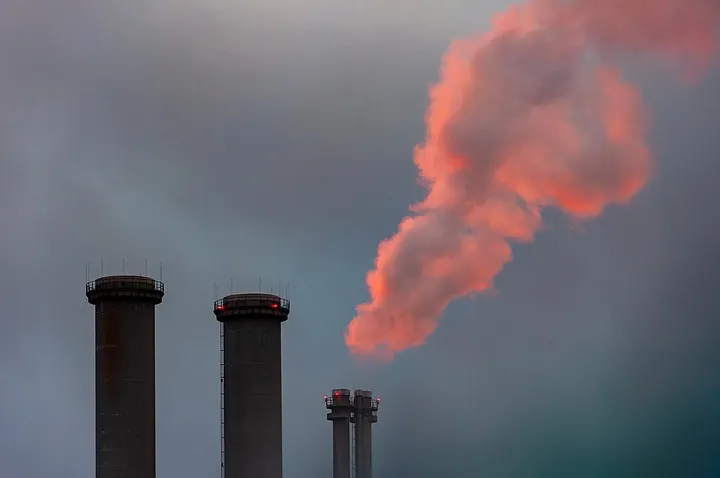
Oil and gas are critical for industrial applications, transportation, and energy security, and it is unlikely that renewables will fully take over these areas. The industrial sector uses far more energy than renewables can provide. The transportation sector requires a variety of energy types and energy availability, and energy security also requires a diverse range of energy types to accomplish its goal. The conversation around renewables should be about finding a balanced energy mix — not a complete replacement. Too many people say that perfection is the enemy of good.
At Optimum Energy Partners, we focus on finding that energy balance. We support innovation and the energy transition, while ensuring a stable supply by investing in both renewable energy and traditional oil and gas properties.
Myth 2: Oil and Gas Companies Don’t Care About Sustainability
The Perception: Industry players prioritize profit over environmental responsibility.
Yes, some in the industry prioritize profit over everything else, but most do not. Many oil and gas operators are investing in cleaner tech, carbon capture, and emissions reduction. Shell, for example, spends $2 billion–$3 billion a year on clean energy solutions. Sustainability has become more important than ever, and companies know that they need to clean up their act to stay relevant with their consumers.
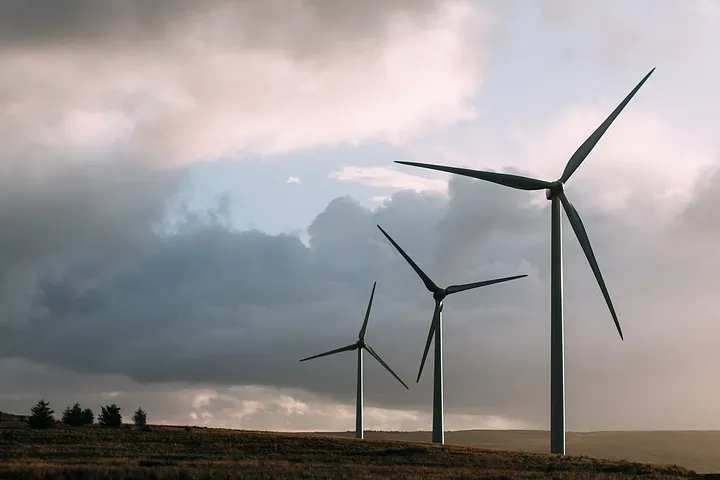
Optimum Energy Partners ensures its role in the oil and gas industry is sustainable: Our approach to investing in oil and gas combines operational efficiency and sustainability initiatives to create a strategy that balances profit and environmental impact. Cleaning up oil and gas operations isn’t easy — but it is possible.
Myth 3: All Oil and Gas are the Same
Despite what people think and what some oil and gas projects look like, not all oil and gas projects are destructive. Oil and gas extraction does affect the environment, but different extraction methods and operational standards lead to vastly different impacts. Oil and gas companies are cleaning up their projects, and this ensures that environmental damage is mitigated as much as possible.
I’ve seen how the quality of operations matters more than just volume. Higher-quality operations produce better, more valuable results, and companies that prioritize quality in their operations are highly likely to promote quality over volume in other parts of their businesses. Optimum Energy Partners makes sure that its investments are ethical and as sustainable as possible. They accomplish these goals through a highly selective project-vetting process that ensures high standards and lower environmental impact.
Myth 4: The Industry is Resistant to Change
The Perception: Oil and gas leaders fight innovation to protect the status quo.
This perception is, unfortunately, not entirely wrong — but, thankfully, it’s outdated. In the past, oil and gas leaders tried to ignore climate change and refused to work on renewable energy, but times have changed. Human-caused climate change is undeniable, and ethical and sustainable energy investment is incredibly important for the planet, consumers and future generations. The smart and successful oil and gas companies are leveraging modern practices and technologies to help them increase their efficiency and minimize their environmental impact. Some of the most impactful strategies and tools include digital transformation; automation; AI; and environmental, social, and governance (ESG) practices.
Energy leadership in the 21st century means agility, not stubbornness. I’ve seen too many companies fail to adapt to the changing world, so I’ve ensured that Optimum Energy Partners will remain relevant and adaptable. Optimum Energy Partners has adopted new technology and formed modern, strategic partnerships to stay ahead in the oil and gas industry. OEP’s investment-vetting process ensures it works only with oil and gas companies that use modern tools to produce the clean, ethical, and profitable results.
Myth 5: Oil and Gas Have No Role in the Energy Transition
The Perception: Fossil fuels have nothing to contribute in a greener future.
Far from being rendered obsolete during and after the energy transition, fossil fuels will remain an important part of the energy landscape by filling the gaps that renewables can’t reach. All elements of the oil and gas industry — from its infrastructure and engineering expertise to its capital — support the energy transition. Oil and gas also help scale renewables and alternative fuels.
Optimum Energy Partners believes that the oil and gas industry, collectively, is a collaborator in, not a competitor of, clean energy. The industry wants to build a bridge between today’s energy reality and tomorrow’s sustainability goals.
Conclusion
A balanced approach to oil and gas and the energy transition is necessary for success. I believe that acknowledging challenges while championing progress will help make oil and gas investments clean and ethical. Policymakers, investors, and the public all must engage in fact-based conversations about energy. Despite the myths and misconceptions, the oil and gas industry is far more nuanced and complex than people think, and honest discourse will reveal energy solutions previously undiscovered. The future of energy isn’t about choosing sides. It’s about working together to create reliable, responsible, and sustainable solutions.
FAQs
What is another reason why renewables won’t fully replace oil and gas?
Another big reason is energy availability. Oil and gas can provide instant power for as long as necessary, while renewables cannot. Solar panels, for example, produce meaningful electricity for only a short part of the day (and only when it’s sunny). Renewables may take the lead, but oil and gas will always fill the gaps.
How is the oil and gas industry using AI?
AI uses in the oil and gas industry include seismic data analysis, drilling optimization, predictive maintenance, production forecasting, and supply chain and logistics optimization.
What can be done to reduce oil and gas projects’ environmental impact?
Oil and gas companies can reduce their projects’ impact by better managing water use, minimizing waste and pollution, and increasing maintenance frequency.